
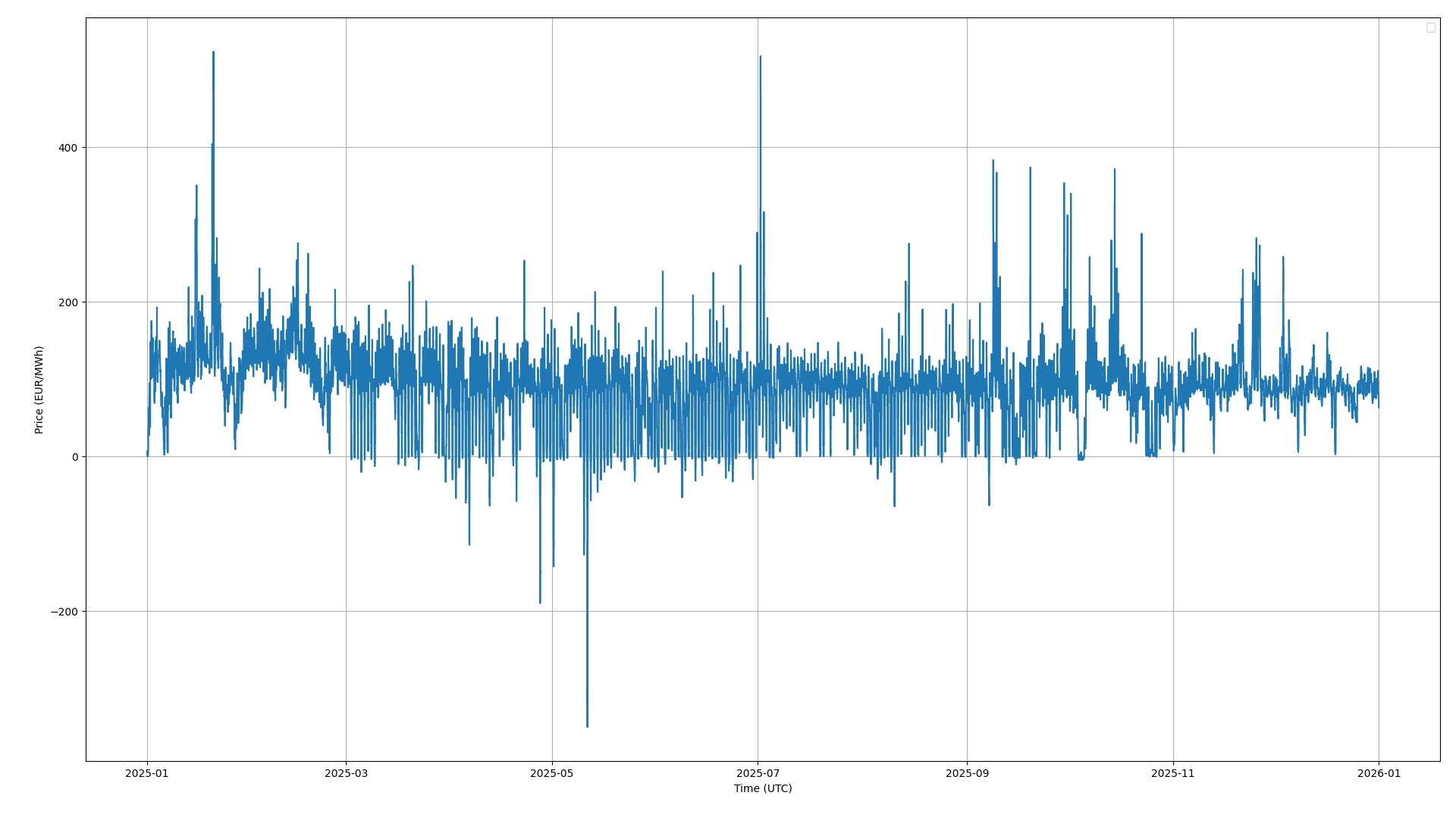
Many companies want to become more sustainable, but run into grid congestion: at busy times the electricity grid is simply overloaded. The Dutch government is encouraging companies to spread out their consumption through the Flex-e subsidy from RVO (the Netherlands Enterprise Agency), making more than 16 million euros available for it in 2026.
Note for international readers: the Flex-e subsidy is a scheme specific to the Netherlands, administered by RVO for companies operating there.
What is the Flex-e subsidy?
The Flex-e subsidy covers up to 40% of the investment in measures that make your electricity consumption more flexible. In practice, that means shifting consumption from busy to quieter moments on the grid — for example, by storing energy when there is room on the network and using it later. The subsidy amount ranges from a minimum of 25,000 to a maximum of 300,000 euros. An important expansion in 2026: measures under 100 kW are now also eligible, without requiring a congestion management contract with the grid operator. This makes the scheme accessible to a wider range of companies.
How does the ice battery fit in?
An ice battery system is a good example of a measure that qualifies for this subsidy. The compressor runs at times when the grid is under less strain and produces ice during those periods. At busy times, you only run the pumps to circulate the stored cold. This way, you deliberately shift the heavy load to off-peak hours, without compromising your cooling or heating supply.
De Korne guides the entire process: from technical design and custom drawings to the quotation and technical documentation you need for your subsidy application to RVO.
Applications can be submitted from 6 May to 15 October 2026. Applications are processed on a first-come, first-served basis, so acting in good time is important. Contact us to explore the possibilities together.
https://www.rvo.nl/subsidies-financiering/flex-e/flexibiliteitsmaatregelen (in Dutch)